
Translation (EN):
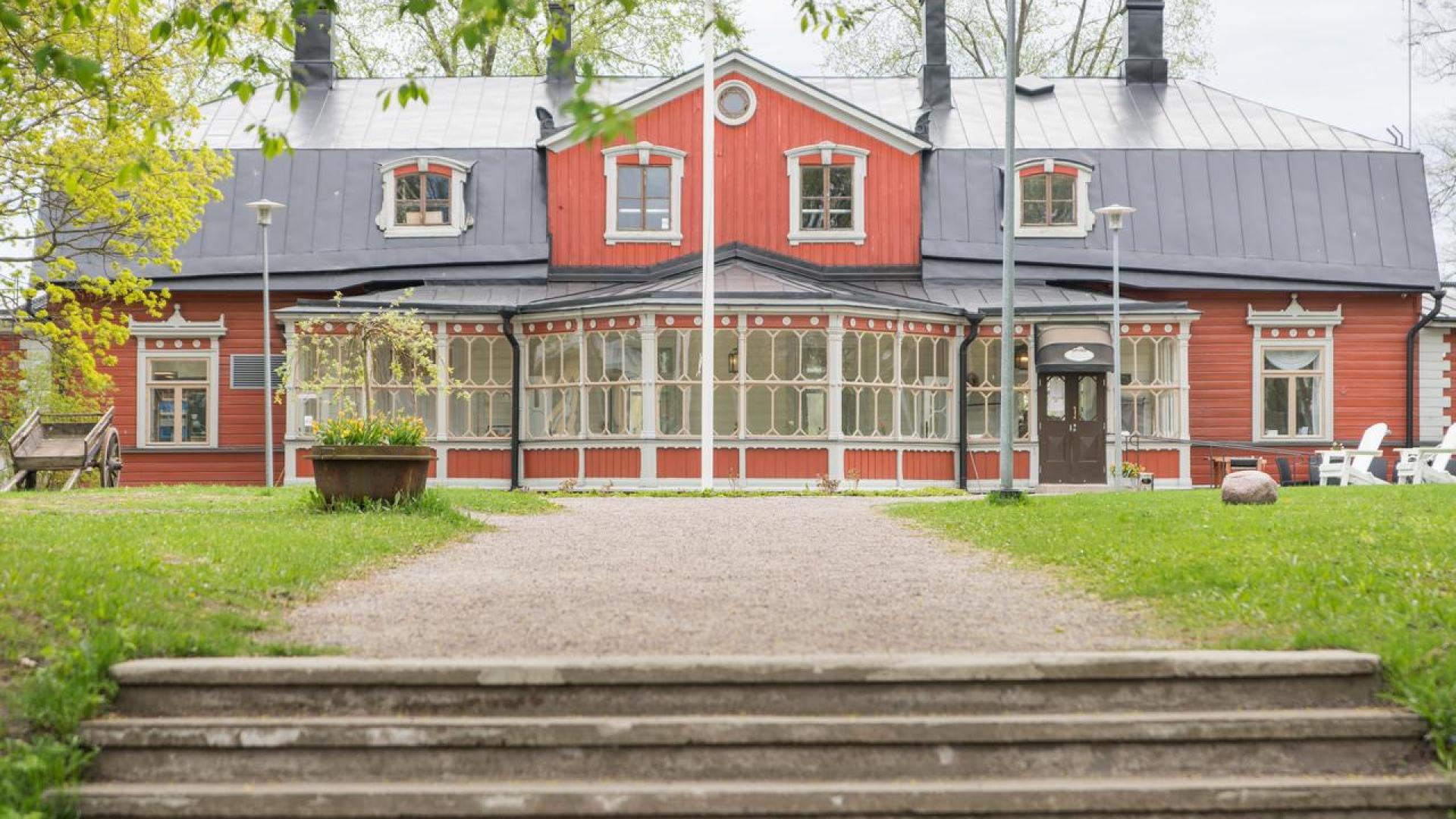
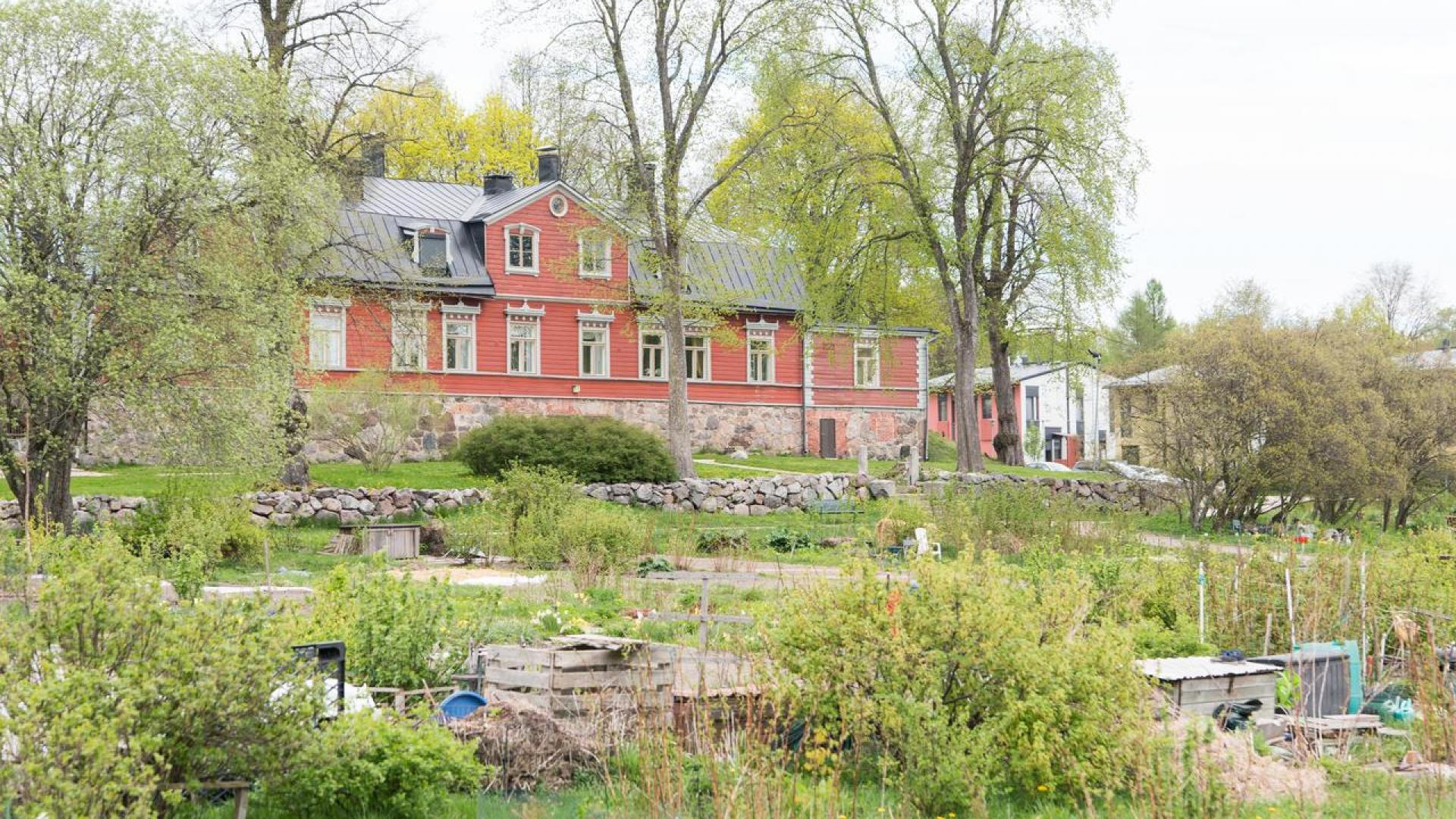
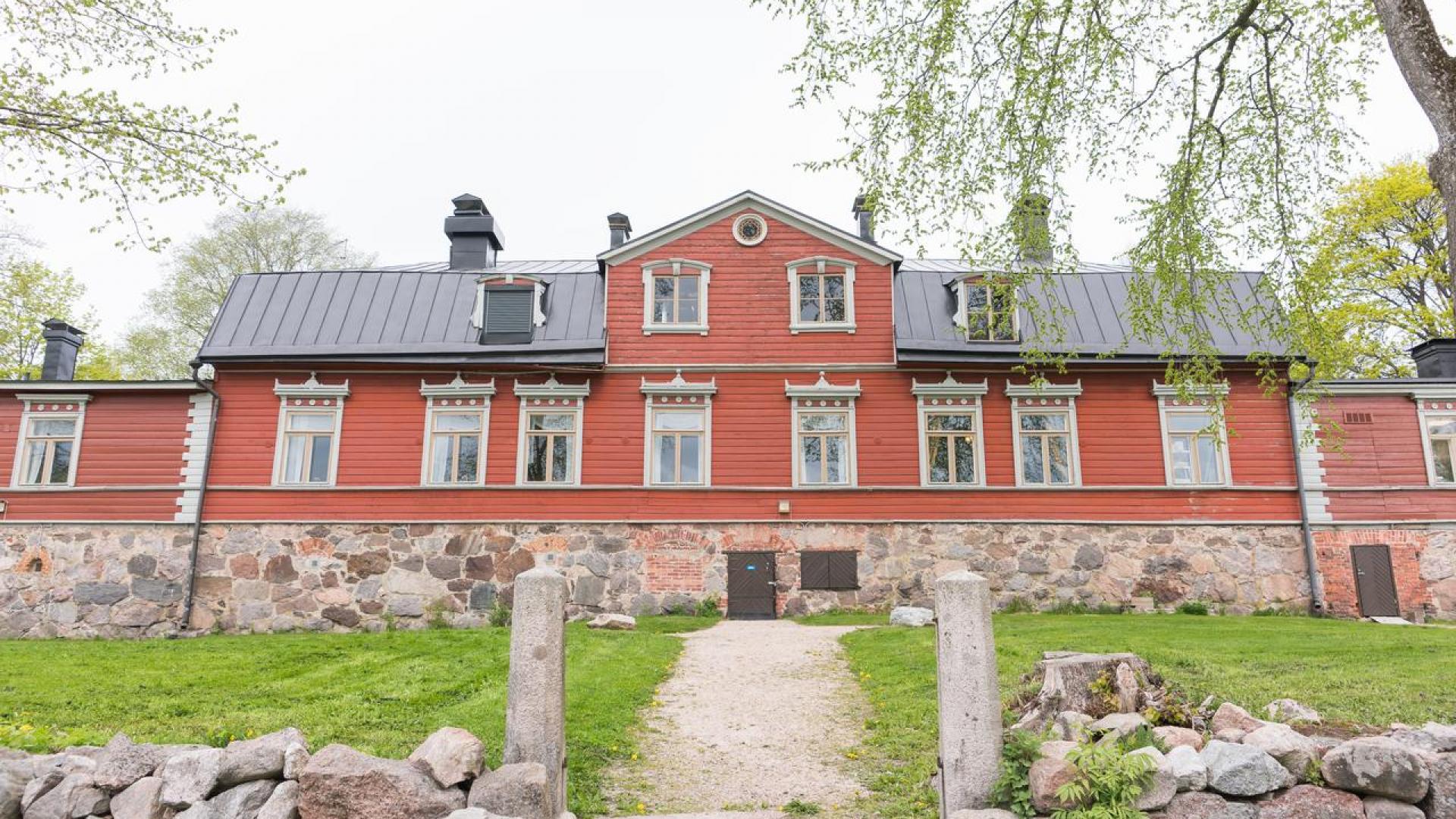
Puotila Manor (Botby gård) was formed in the 1750s through the merger of three cavalry farms in Vartiokylä, Helsinki. It is located on the western shore of Vartiokylä Bay. Today, the main building stands adjacent to the Puotila apartment district, in a visually prominent position on the crest of a slope descending toward the sea, at the end of a long lime-tree avenue (now Rantakartanontie).
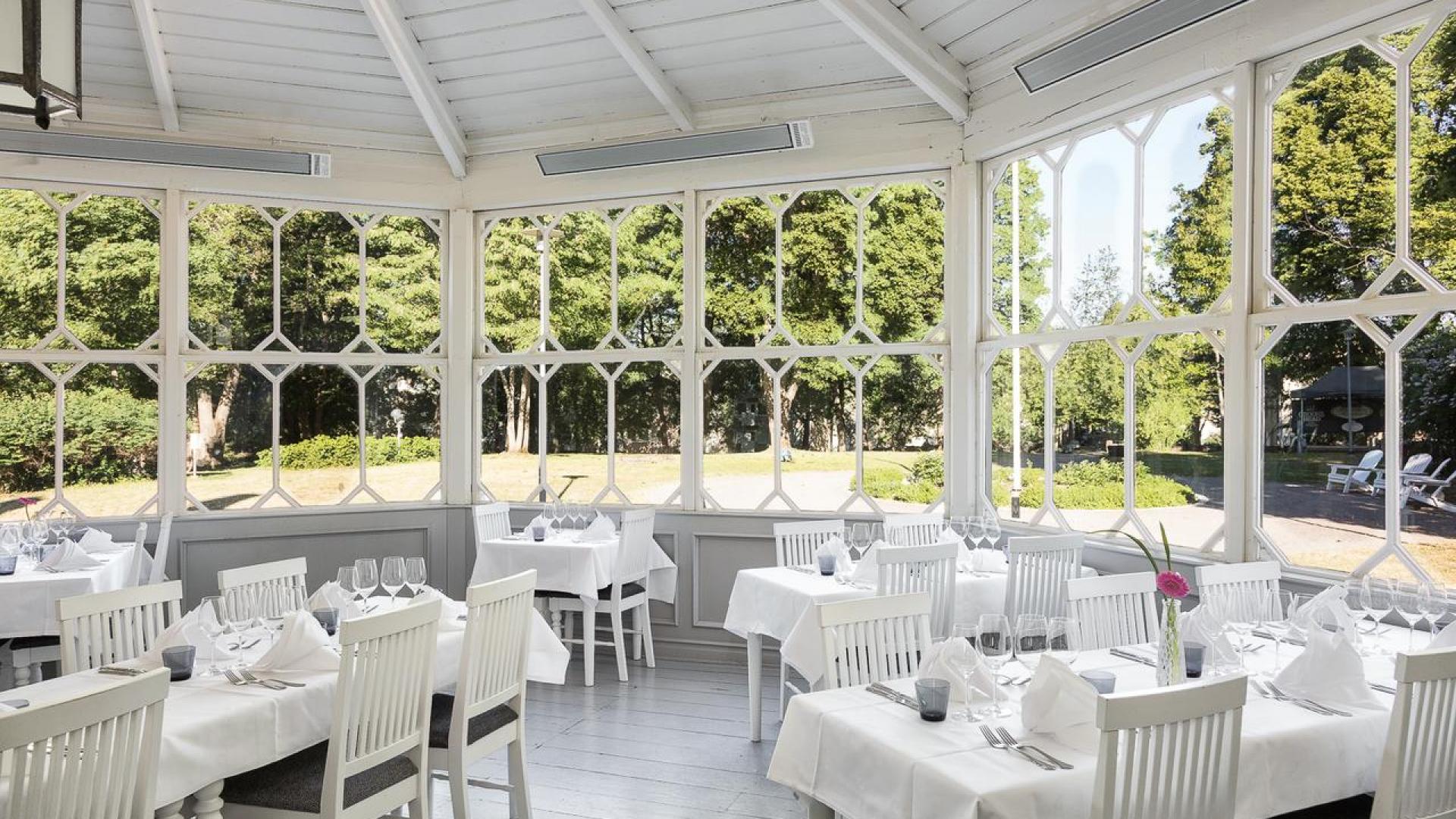
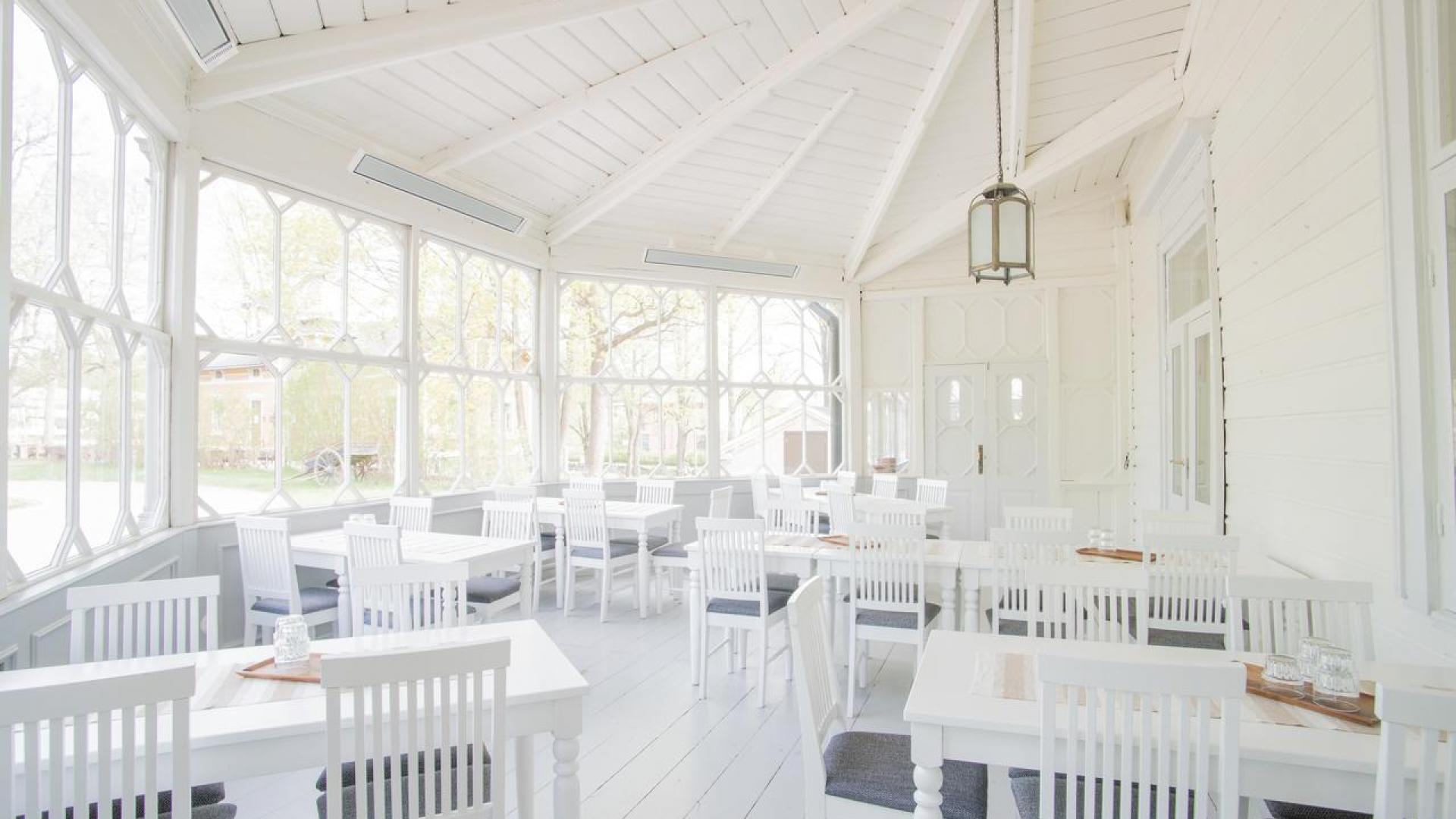
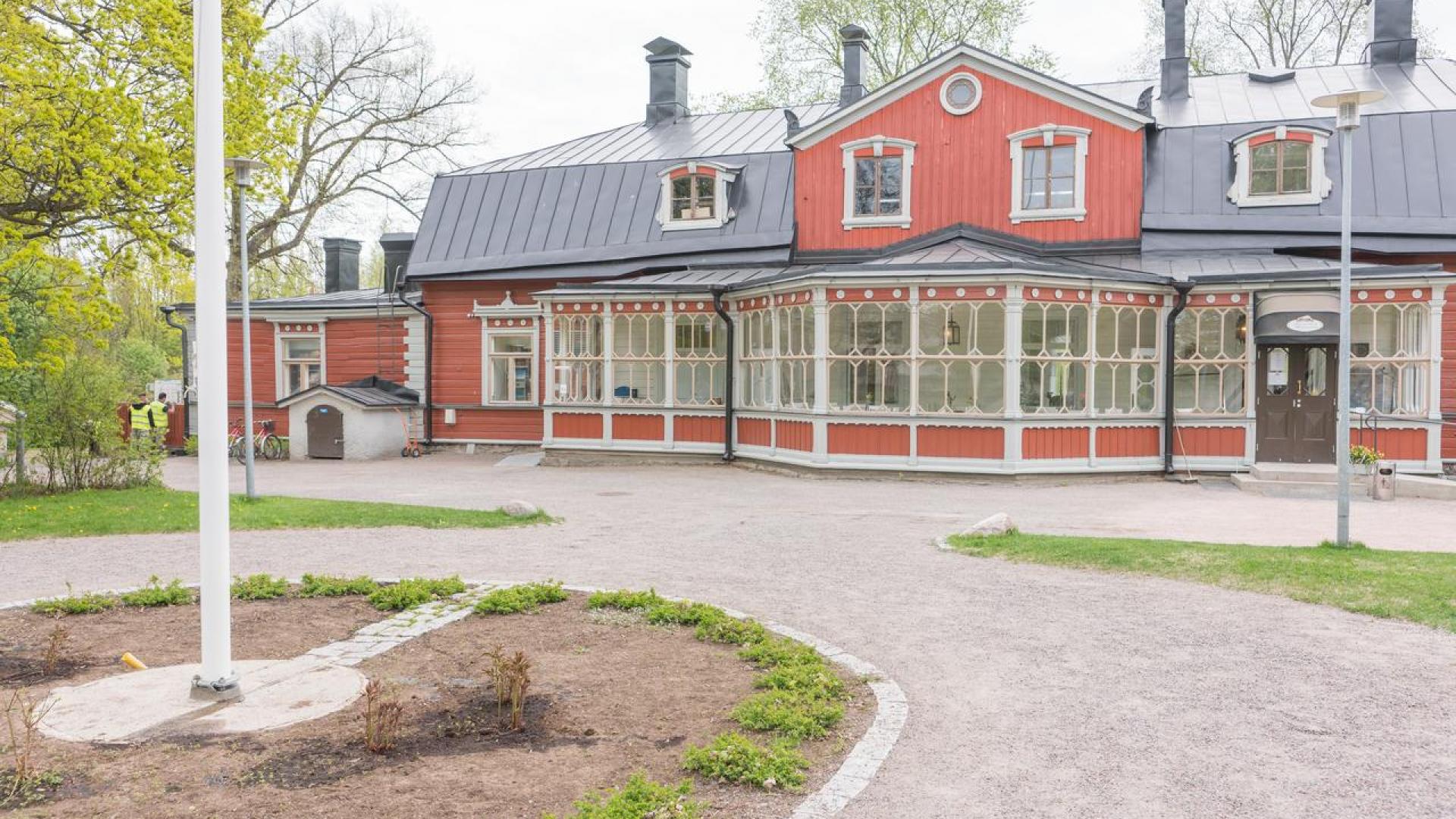
The owner Wilhelm Elg commissioned the construction of the main building of Puotila Manor together with two side buildings (the servants’ quarters and the steward’s house) at the turn of the 18th and 19th centuries. The gable extensions of the main building, the Russian-influenced glazed veranda on the courtyard side, and the Empire-style decorations were added about half a century later. In the front yard there is a circular lawn bordered by elms, maples, and lilacs. From the original pathway composition, the central axis has survived. In front of the building there is a lawn area bordered by lime trees and elms and enclosed by a stone fence.
Admiral Carl Olof Cronstedt, the last commander of Viapori during Swedish rule and the hero of the Second Naval Battle of Svensksund, was born at Puotila Manor.
Today the manor area is a well-preserved historic manor environment from the 19th century, consisting of the manor courtyard, the Juorumäki landscape park, and the open agricultural landscape that has remained from the manor estate. The ensemble also includes the valuable environment built along Rantakartanontie in the 1960s. The manor park enclosed by a stone wall has survived in its original extent except for the westernmost tip. The manor’s main building, the steward’s house, and the root cellar are protected in the zoning plan with the designation Sr-1:
“Protected building. The building may not be demolished. Repair and alteration works as well as additional construction must be carried out in a manner appropriate to the architectural and cultural-historical value and style of the building.”
Within the manor park there are also two fixed ancient monuments protected under the Antiquities Act, the old village sites of Botby Klofvus and Botby Ronby. The old site of Klofvus is located in the surroundings of the manor, on the eastern edge of Juorumäki (Sqvallerbackan), on the western shore of Vartiokylä Bay. Remains of the old site may have survived on the wooded hillside and in the manor park. The Ronby site is located in the eastern part of the present manor park, northeast of the steward’s house (Svenkan). Remains of the Ronby site may have survived southeast of the new residential area, partly in a wooded green area and on the western side of the outdoor path in the manor park.
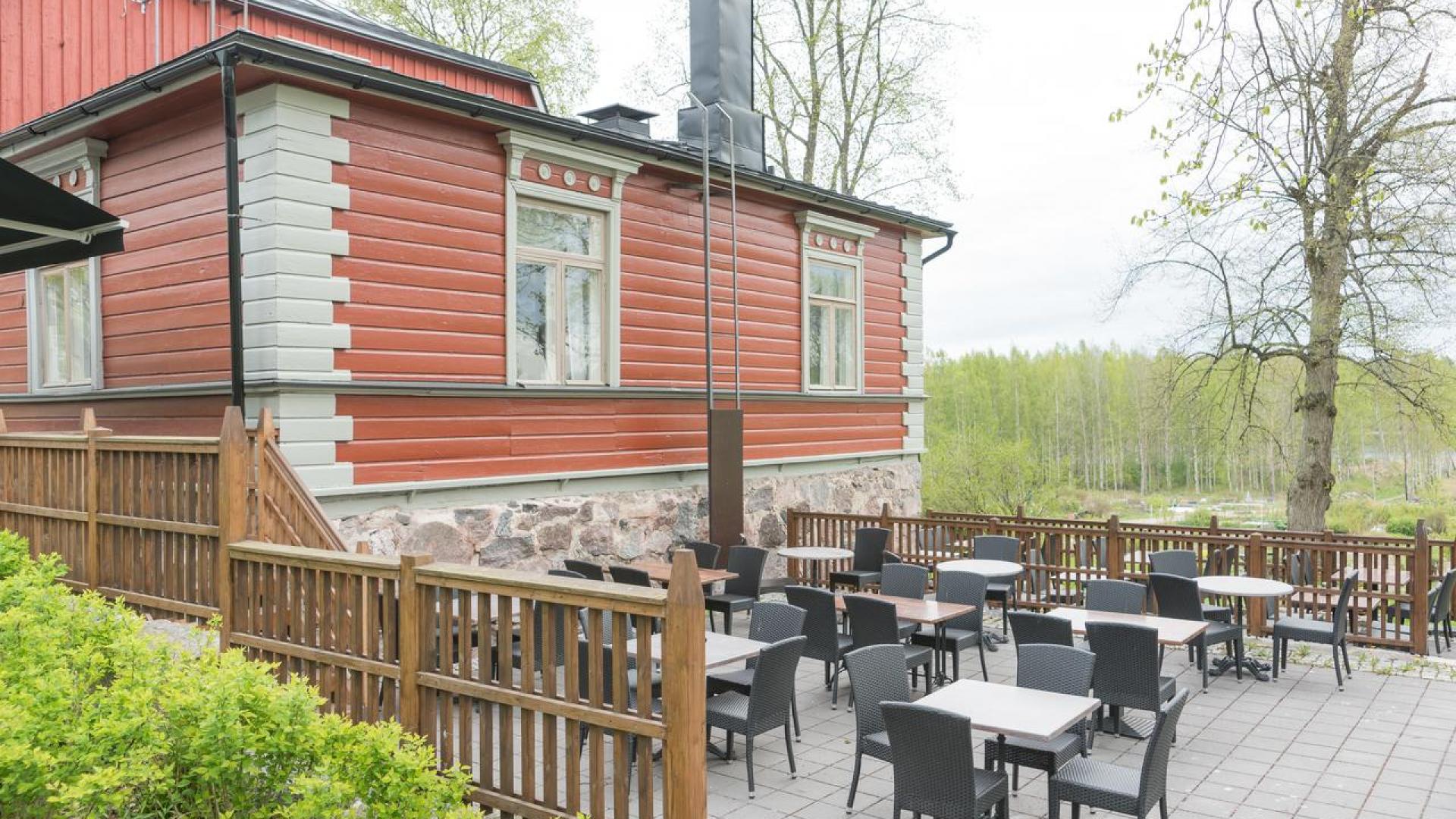
In 2014 a decision was made to renovate the manor, which had gone through many colorful phases and had deteriorated over time, for restaurant use. The driving force behind the project was the association Puotilan Kartanon Ystävät ry, founded in 2013. Architectural design was carried out by Arkkitehtitoimisto Eero Korhonen Oy, and the construction works by Wareco Oy.
The alteration and renovation works were completed on a tight schedule, while respecting the cultural-historical values of the manor.
All restoration and repair works were carried out under the supervision of the Helsinki City Museum, and valuable information about the history of the manor was documented during the work.
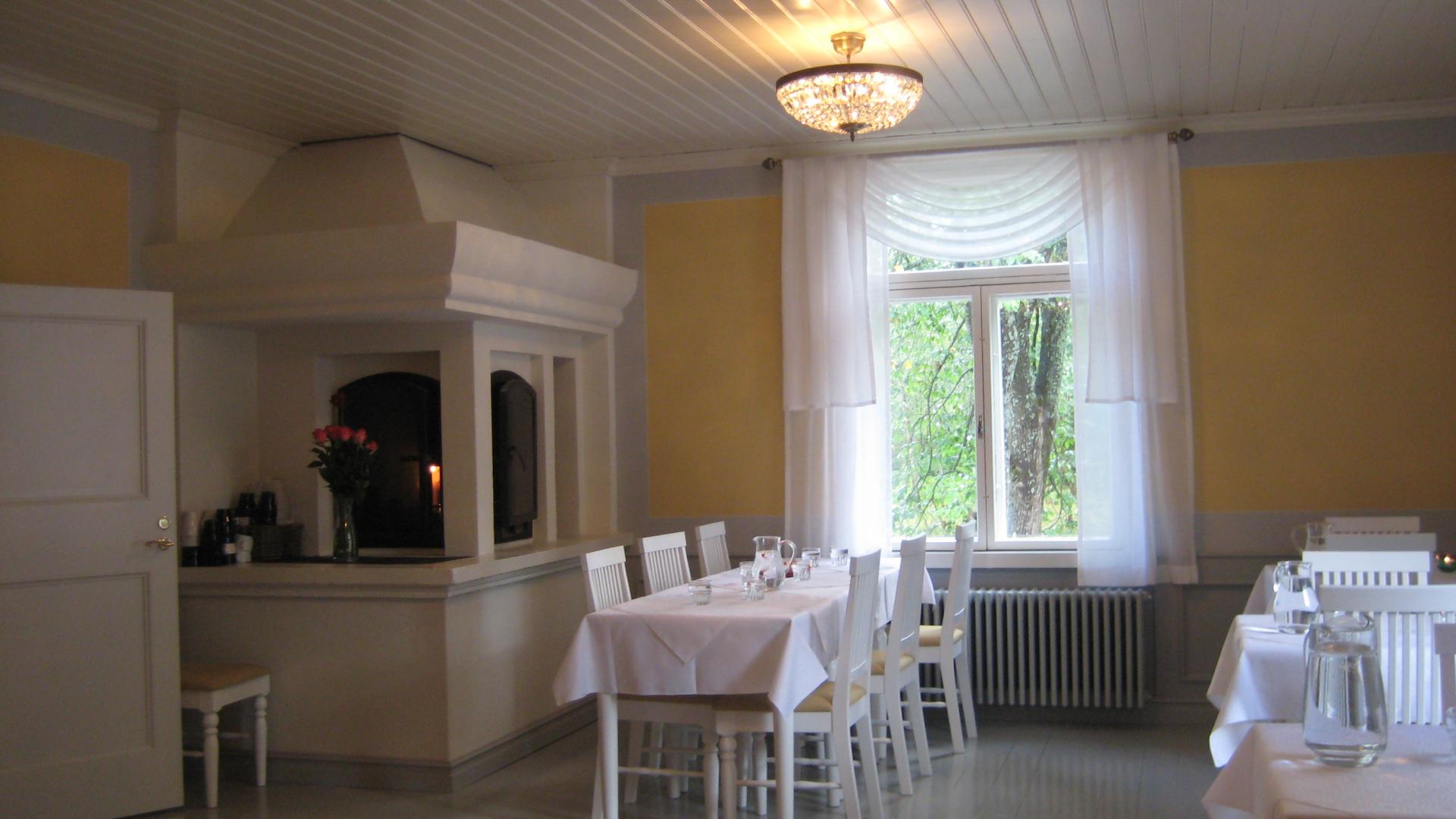
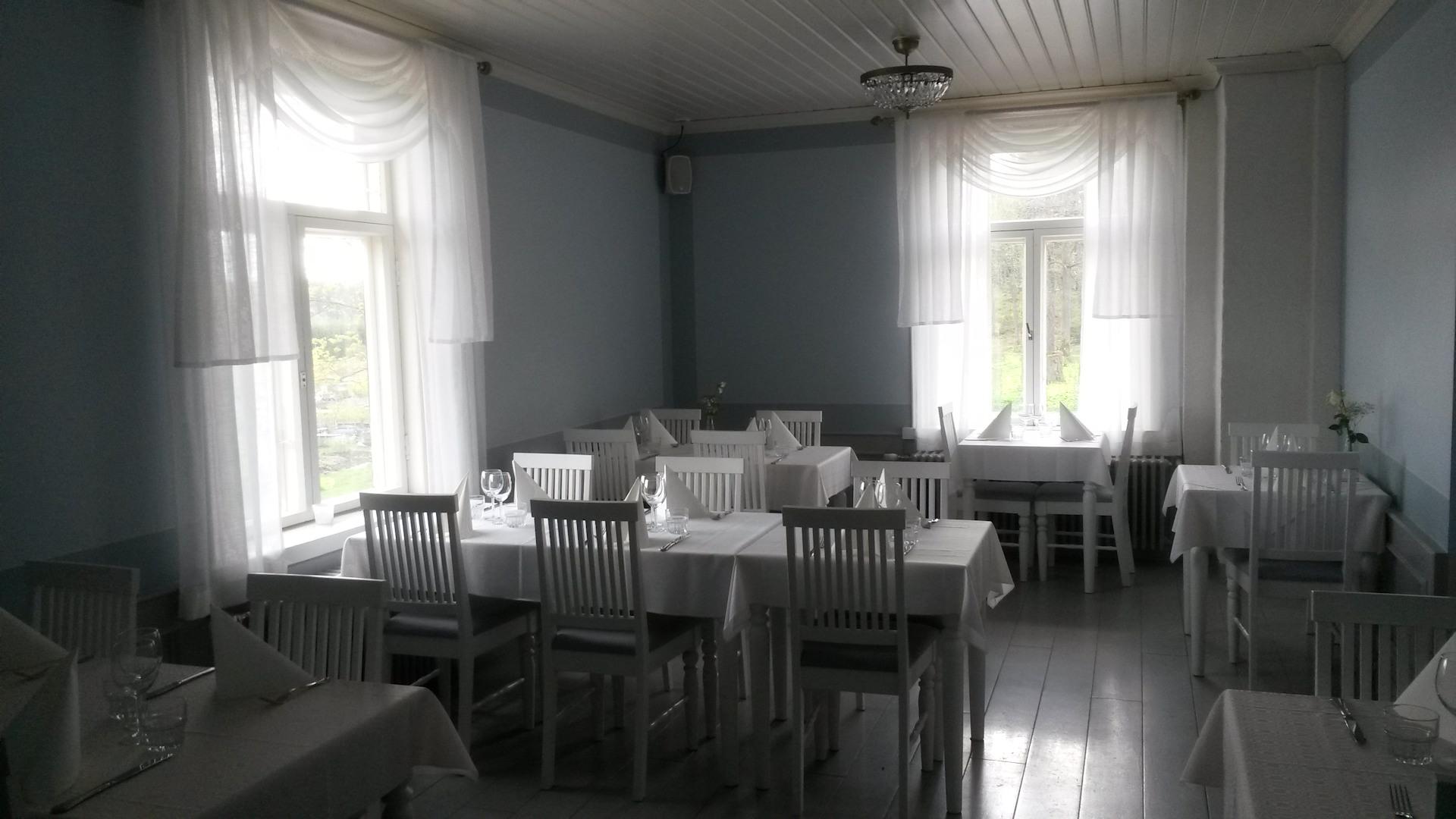
The interior of the main building and its furnishings were rebuilt in Gustavian style, while using modern materials and products. Severely damaged walls and ceilings were boarded and painted. All painting work was done by hand and finished with a brush. Some of the plank floors could be saved, as well as part of the doors and window frames.
During the renovation, a completely new ventilation system as well as water supply and drainage systems were designed and installed. The heating system was modernized with new radiators and a new heat distribution unit. The restaurant kitchen was fully renewed, including a dedicated ventilation system and cooling. The new technical systems were fitted into the building in a way that preserved its appearance as much as possible. Suspended ceilings and casings were avoided, and the building services were designed to remain as unobtrusive as possible.